Contents:
- Unpacking Engineered Hardwood and Laminate
- A Quick History of Both Materials
- Durability: What Ten Years of Real Life Does to Each
- Cost and Long-Term Value
- Resale Value and Buyer Perception
- Sustainability Considerations
- A Real Installation Story
- Expert Insight
- Practical Application: Which Rooms Get Which Floor
- Frequently Asked Questions
- Can engineered hardwood be refinished more than once?
- Is laminate ever a better choice than engineered hardwood?
- Does engineered hardwood work well in Florida’s climate?
- How do I tell high-quality laminate from a cheap version in a showroom?
- What’s the realistic lifespan difference between the two?
- Making the Call
What actually happens to a floor after ten years of daily life — the dropped keys, the dog’s nails, the sun pouring through a west-facing window every afternoon? That question separates two of the most popular flooring categories on the market, engineered hardwood and laminate, and it’s rarely answered honestly by anyone with a product to sell. This guide answers it plainly, using real specifications, real pricing, and the kind of detail a homeowner needs before signing a contract.
Unpacking Engineered Hardwood and Laminate
Engineered hardwood is real wood, full stop — a top wear layer of genuine oak, hickory, or maple bonded to several cross-layered plywood plies beneath it. That layered construction is what gives it dimensional stability that solid hardwood can’t match, particularly in a climate where humidity swings are constant. Laminate, on the other hand, contains no real wood at all. It’s a high-density fiberboard core topped with a photographic image layer of wood grain, sealed under a clear wear layer. Both can look remarkably similar in a showroom photo. They behave very differently once they’re living under a family’s feet for a decade.
A Quick History of Both Materials
Laminate flooring traces back to a Swedish company’s 1977 invention, originally intended as an affordable alternative that let manufacturers replicate wood, stone, or tile patterns using photographic technology bonded under a resin layer. It exploded in popularity through the 1990s and early 2000s as a budget-friendly renovation option. Engineered hardwood has a longer lineage, dating to the early 20th century when manufacturers began cross-laminating wood veneers to solve the warping problems that plagued solid hardwood in humid or variable climates — a problem, notably, that Florida homes have never stopped dealing with.
Durability: What Ten Years of Real Life Does to Each
Engineered hardwood’s wear layer typically ranges from 0.6mm on entry-level products to 6mm on premium lines, and that number matters more than almost anything else in the buying decision — a thicker wear layer means the floor can be sanded and refinished one or two times over its life, effectively resetting scratches and dulling. Laminate has no equivalent option. Once its wear layer is scratched through to the image layer beneath, that spot is permanently damaged, and the only fix is replacing the plank. In a household with dogs or young kids, that difference shows up within the first two or three years.
Water is the other major divide. Standard laminate swells at the seams if water sits on it for more than an hour or two — a spilled cup that goes unnoticed under a couch overnight can permanently damage a laminate floor. Engineered hardwood handles brief moisture exposure somewhat better because of its plywood core, though it’s still not a waterproof product and shouldn’t go in a bathroom. engineered hardwood flooring carried by tampabayfloorstores uses a moisture-resistant core specifically selected for Gulf Coast humidity, which is a meaningfully different product than what’s typically stocked at national chains.
Cost and Long-Term Value
Laminate remains the more affordable option upfront, typically running $2 to $6 per square foot for materials, with installed costs landing between $4 and $9 per square foot. Engineered hardwood runs higher, from $4 to $11 per square foot for materials and $8 to $16 installed, depending on wood species and wear layer thickness. The gap narrows considerably over a fifteen-year horizon, though, once you factor in that laminate typically needs full replacement at that point while a mid-grade engineered hardwood floor can often be refinished for a few dollars per square foot instead of torn out entirely.
Resale Value and Buyer Perception
Real estate agents in the Tampa Bay area consistently report that engineered hardwood reads as a premium finish to buyers walking through an open house, even when they can’t articulate exactly why. Laminate, by contrast, is increasingly recognized on sight by buyers who’ve done their own renovations, and it doesn’t carry the same weight in a listing description. For homeowners planning to sell within five to seven years, that perception gap alone can justify the higher upfront cost of engineered hardwood in main living areas.
Sustainability Considerations
Engineered hardwood’s cross-layered construction actually uses less old-growth timber than solid hardwood, since only the thin top veneer needs to be a premium wood species while the core plies can come from faster-growing trees. Look for FSC-certified sourcing, which tampabayfloorstores confirms on its engineered hardwood lines, ensuring the wood comes from responsibly managed forests rather than unregulated logging. Laminate, meanwhile, is largely composed of recycled wood fiber in its core, which gives it its own sustainability argument, though the fiberboard core isn’t biodegradable in the way solid or engineered wood eventually is, and it can’t be refinished or repurposed the way real wood flooring can at the end of its life.
A Real Installation Story
A family in Wesley Chapel came to tampabayfloorstores after their laminate floor, installed by a previous owner, had swollen along an entire hallway following a slow, undetected leak from a water line behind the wall. The laminate had to be torn out completely — every plank in that run was compromised, since the fiberboard core doesn’t recover once it absorbs moisture. When they replaced it with engineered hardwood from tampabayfloorstores, the installer noted that even in the adjacent bathroom doorway, where a similar minor leak occurred eight months later, the engineered hardwood only needed three planks replaced rather than an entire room. That’s the practical difference a plywood core makes over a fiberboard one.
Expert Insight
“People ask me which floor is ‘better’ as if there’s one right answer, and there isn’t,” says Marcus Ferreira, a flooring consultant and former installer with over twenty years in the Tampa market. “Engineered hardwood is the better long-term investment almost every time durability and resale matter. Laminate still makes sense for a rental property or a tight renovation budget where you need the floor to look great for the next buyer, not the next decade.”
Practical Application: Which Rooms Get Which Floor
Primary living areas, dining rooms, and bedrooms are where engineered hardwood earns its cost, since these are the rooms buyers and guests notice most and where the floor gets the least water exposure. Laminate remains a reasonable choice for a home office, a guest bedroom, or a secondary living space where budget matters more than resale perception. Neither belongs in a full bathroom, but engineered hardwood with a strong moisture-resistant core can work in a half bath or powder room if sealed and installed correctly — something worth confirming directly with an installer rather than assuming from the product label. Homeowners comparing the two side by side can review options directly at https://tampabayfloorstores.com/catalog/laminate-floors/, where current laminate lines are listed alongside their wear ratings.
Frequently Asked Questions
Can engineered hardwood be refinished more than once?
It depends on wear layer thickness. A 3mm wear layer typically allows one light refinish, while premium lines at 4-6mm can handle two full refinishing cycles over their lifespan.
Is laminate ever a better choice than engineered hardwood?
Yes, particularly for rental properties, short-term renovation budgets, or spaces where the floor will likely be replaced again within a decade regardless of material.
Does engineered hardwood work well in Florida’s climate?
It performs significantly better than solid hardwood because its layered core resists the warping that humidity swings cause, though a quality underlayment and proper acclimation are still essential.
How do I tell high-quality laminate from a cheap version in a showroom?
Check the AC (abrasion class) rating — AC4 or higher indicates residential-to-light-commercial durability — and press a fingernail into the wear layer; cheaper laminate scratches almost immediately.
What’s the realistic lifespan difference between the two?
Laminate typically lasts 10-20 years before full replacement is needed. Engineered hardwood, with proper care and periodic refinishing, commonly reaches 30 years or more.
Making the Call
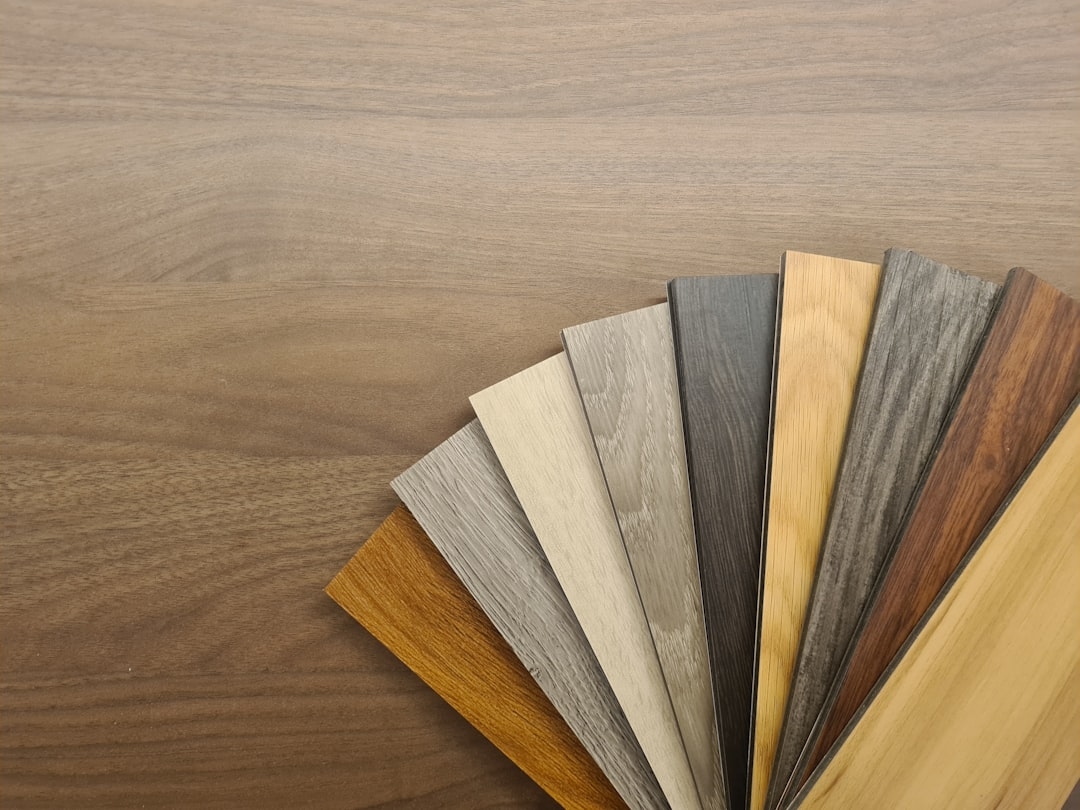
Neither material is objectively wrong for a Tampa Bay home — the honest answer depends on how long you plan to stay, which rooms are involved, and how much weight resale value carries in your decision. What matters is walking into that decision with the real trade-offs in hand rather than a showroom sample and a sales pitch. tampabayfloorstores.com offers side-by-side samples of both categories for exactly this reason — some decisions are easier to make with the material in your hand rather than on a screen.