Contents:
- Why Rose Count Matters More Than You Think
- The Basics: Standard Rose Bouquet Sizes for Beginners
- Single Stem: The Underrated Power Move
- Three to Six Roses: The Small Bouquet
- A Dozen Roses: The Classic Standard
- 18 Roses: The Step Up That Most People Skip
- Two Dozen: When a Dozen Isn’t Enough
- Intermediate Level: Moving Into Luxury Rose Counts
- 36 Roses: Three Dozen and Why It Works
- 50 Roses: The Halfway Milestone
- 75 Roses: The Statement Nobody Forgets
- 100 Roses: The Grand Gesture
- Advanced Nuances: What Rose Count Doesn’t Tell You
- Rose Variety and How It Changes Everything
- Stem Length and How It Affects Scale
- Conditioning and Hydration
- Foliage and Filler: The Supporting Cast
- Arrangement Style: Hand-Tied vs. Vase-Arranged vs. Hatbox
- Bouquet Size vs. Flower Count: Clearing Up the Confusion
- Cost Breakdown: What to Expect to Pay
- Standard Hybrid Tea Roses (Per Stem Pricing Reference)
- Garden Roses and Premium Varieties (Add 40–80% to Above)
- Seasonal Pricing Spikes to Know About
- Delivery Fees and What They Actually Cover
- Common Mistakes When Ordering Rose Bouquets
- Ordering by Price Without Specifying Count or Variety
- Confusing “Long-Stemmed” With “High Quality”
- Assuming All Red Roses Are Equivalent
- Not Asking About Vase Life
- Waiting Until the Last Minute for Complex Orders
- Buying From a Mass-Market Online Service for a Special Occasion
- How FlowersCNJ Approaches Luxury Rose Arrangements
- Choosing the Right Count for the Occasion
- Romantic Occasions
- Celebratory Occasions
- Professional and Corporate Occasions
- Working With Your Florist: Getting What You Actually Want
- Caring for Your Rose Bouquet After Delivery
- The First Two Hours
- Daily Maintenance
- When Roses Start to Fade
- Frequently Asked Questions
- How many roses are in a standard bouquet?
- What does a dozen roses look like in a vase?
- Is there a difference between a hand-tied bouquet and a vase arrangement in terms of rose count?
- How far in advance should I order a large rose bouquet?
- Are 100 roses worth the cost compared to 50?
You’ve stared at a florist’s website long enough. The photos are gorgeous, the descriptions say things like “lush,” “generous,” and “statement-making” — but nowhere does it plainly state how many roses you’re actually getting. That gap between expectation and reality is one of the most common frustrations buyers face, and it’s entirely avoidable with the right information. This guide breaks down rose bouquet sizes in honest, concrete terms: stem counts, dimensions, price ranges, and what each size is actually appropriate for.
Why Rose Count Matters More Than You Think
A bouquet described as “medium” at one florist might contain 12 roses. At another, it might mean 24. There’s no universal industry standard, which means the same word can refer to arrangements that look dramatically different in person. That’s not a minor aesthetic quibble — it affects how a bouquet reads in a room, how it photographs, how long it takes to arrange, and how much it costs.
Rose count is also tied directly to symbolic meaning, a layer of communication that many buyers don’t fully consider until after the purchase. A dozen roses carries one message. Three dozen carries another. Arriving at a dinner party with a six-rose bunch reads differently than arriving with 24. Getting the count right means the gift actually says what you intend it to say.
For events — weddings, galas, milestone birthdays — bouquet size determines visual scale. A 12-stem bouquet that looks full and beautiful in a home kitchen disappears on a banquet table. Florists who specialize in events think in stem counts from the start, and working with someone like flower delivery Manalapan NJ means you’re working with designers who understand those scale dynamics before the first rose is cut.
The Basics: Standard Rose Bouquet Sizes for Beginners
If you’re new to buying roses, the most useful thing you can learn is the common stem-count groupings and what they look like in real life. Forget the marketing language for a moment. Here’s what actually goes into each tier.
Single Stem: The Underrated Power Move
One rose, presented well, is not a budget compromise — it’s a deliberate choice. In European tradition, a single long-stemmed rose (typically 24–28 inches) was considered an elevated, intimate gesture. In the US market, it reads as confident and personal. Florists who know what they’re doing will wrap a single stem in silk ribbon, tissue, or a collar of greenery that makes it look intentional.
Price range: $8–$18 for a premium long-stemmed single rose from a quality florist. Much less at a grocery store, but the stem quality and conditioning are also much less.
Three to Six Roses: The Small Bouquet
Three roses is the smallest commonly sold arrangement that reads as a “bouquet” rather than a single gesture. Six roses is on the high end of what most florists would call small. At this size, the variety of rose matters enormously — a tight cluster of garden roses looks full and lush at six stems; hybrid teas at the same count look sparse.
These arrangements work well as a hostess gift, a thank-you, or a small accent in a bud vase. They’re not meant to fill a space — they’re meant to be noticed up close.
Price range: $25–$60 for three to six premium roses, depending on variety, stem length, and foliage.
A Dozen Roses: The Classic Standard
Twelve roses is the benchmark against which everything else gets measured. It has cultural weight — the “dozen roses” concept is baked into American romantic shorthand — and it has visual weight too. A proper dozen, arranged with complementary greenery and filler, creates a full, rounded shape approximately 10–14 inches across.
At this size, the arrangement works on a nightstand, a kitchen counter, a desk, or a dining table as a centerpiece in a smaller room. It’s the most versatile count, which is probably why it became the default.
Price range: $65–$130 for a dozen roses from a quality florist, depending on the rose variety. Premium varieties like garden roses or David Austin roses on a 12-stem count typically run $90–$130. Red roses around Valentine’s Day can spike well above that.
18 Roses: The Step Up That Most People Skip
Eighteen roses doesn’t get talked about much, but it’s a genuinely useful count. It’s 50% more visual impact than a dozen at a price increase of roughly 30–40%. The arrangement gains height and density without tipping into “grand gesture” territory. It’s a good middle ground for birthdays, anniversaries, or situations where you want to do more than the standard but don’t need to go all-in.
Price range: $90–$160, depending on variety and design complexity.
Two Dozen: When a Dozen Isn’t Enough
Twenty-four roses is where arrangements start to genuinely command a room. At this count, an arrangement typically runs 14–18 inches across and 16–20 inches tall in a vase. It reads as a serious gesture — appropriate for major milestones, romantic declarations, or high-visibility event centerpieces.
This is the count where the design work becomes as important as the stem count. A flat, symmetrically packed 24-rose arrangement looks fine. A 24-rose arrangement with intentional layering, varied heights, and complementary textures looks exceptional. FlowersCNJ’s designers work at this level as a matter of course — their 24-stem arrangements don’t just fill a vase, they’re built with structure and movement in mind.
Price range: $130–$240 for two dozen quality roses.
Intermediate Level: Moving Into Luxury Rose Counts
Once you move past two dozen, you’re in territory that most general florists handle occasionally. Specialty florists handle it constantly, and that experience shows in the execution. Larger arrangements require different mechanics — wider vessels, more robust stem conditioning, more careful color and texture distribution.
36 Roses: Three Dozen and Why It Works
Three dozen roses creates an arrangement that reads as unambiguously grand. This is the count for milestone anniversaries, significant romantic occasions, or corporate gifting where impression matters. At 36 stems, a well-constructed arrangement typically spans 18–22 inches across and stands 20–24 inches tall in a statement vase.
The symbolic number works too: three dozen has traditionally signified “I love you” in rose-giving numerology (three representing the three words, a dozen for each). Whether you subscribe to that or not, recipients tend to know what 36 roses communicates.
Price range: $200–$350 for 36 roses from a quality florist, with premium varieties reaching $400+.
50 Roses: The Halfway Milestone
Fifty roses is a popular count for 50th birthday and anniversary celebrations, but it also stands alone as an impressive number regardless of the occasion. This is where most smaller florists start to struggle — 50 stems in a single arrangement require specific vessel shapes, skilled mechanics, and often foam or a grid structure to keep stems properly placed.
When done well, a 50-rose arrangement is architectural. It has presence and weight. When done carelessly, it can look like someone emptied several smaller vases into one large container. The difference is entirely in the execution.
Arrangements at this size from https://www.flowerscnj.com/signature-bouquets/ are constructed with the kind of internal structure that keeps every stem properly placed and every bloom visible — not stacked in layers where the bottom row disappears under the ones above it.
Price range: $350–$550 for 50 roses, with premium varieties and specialty designs running higher.
75 Roses: The Statement Nobody Forgets
Seventy-five roses is an unusual count that reads as both specific and extravagant. Unlike round numbers like 50 or 100, 75 feels deliberately chosen — not a default but a decision. It works well for 75th birthdays and anniversaries, but it also works simply as a statement arrangement when scale is the objective.
At this count, you’re dealing with a significant physical mass. A properly arranged 75-stem bouquet in a low vessel can span 24–28 inches across. In a tall vase, it can reach 30 inches in height. The logistics of transporting and displaying an arrangement this size deserve real thought before ordering.
Price range: $500–$800 depending on variety and design.
100 Roses: The Grand Gesture
One hundred roses is unambiguous. It’s theatrical, memorable, and requires significant expertise to execute properly. The arrangement typically weighs several pounds, requires a large vessel with structural support, and takes an experienced florist considerably longer to design than a standard order.
The common mistake with 100-rose arrangements is treating them as simply a scaled-up dozen. They’re not. At this count, you need to think about viewing angles (a circular arrangement looks different from all sides; a crescent or facing arrangement looks best from the front), vessel proportion, color distribution, and whether the arrangement will be moved after delivery.
Price range: $700–$1,400+ for 100 roses, varying widely based on rose variety, design complexity, and seasonality.
Advanced Nuances: What Rose Count Doesn’t Tell You
Stem count is a useful starting point, but experienced buyers know it’s only part of the picture. Several other variables determine whether an arrangement actually delivers on the promise of its count.
Rose Variety and How It Changes Everything
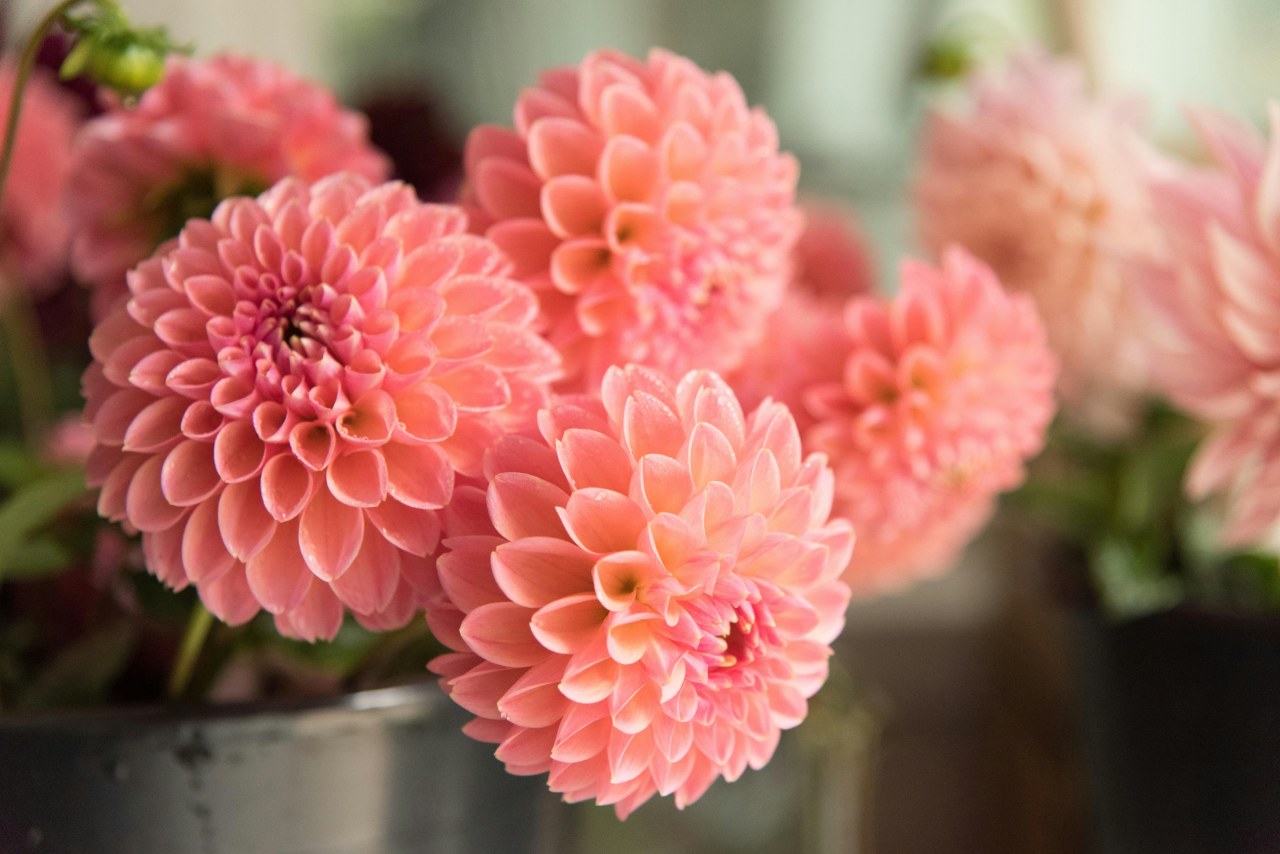
A dozen standard hybrid tea roses and a dozen garden roses are dramatically different arrangements even at identical stem counts. Garden roses — varieties like David Austin, Juliet, or Keira — have heads that are two to three times larger than hybrid teas. A dozen garden roses creates an arrangement that looks like two dozen hybrid teas in terms of visual density.
Spray roses work in the opposite direction: each stem carries multiple smaller blooms, so a count of 12 spray rose stems might represent 36–48 individual flower heads. That creates a completely different visual texture — airier, more casual, and often more appropriate for certain aesthetics than a formal single-head rose arrangement.
When you see a price that seems surprisingly low for a large stem count, variety substitution is almost always the explanation. Smaller-headed roses from less expensive growing regions can be used to hit a count without delivering the expected visual impact. Reputable florists are transparent about what varieties they’re using. Others aren’t.
Stem Length and How It Affects Scale
A 20-inch stem rose and a 28-inch stem rose are categorically different products, even if they carry the same bloom. Longer stems are more expensive to grow (they require more plant resources and careful handling), cost more to ship, and require taller vessels. They also look more formal and luxurious — the elongated line of a long-stemmed rose is part of its visual appeal.
When ordering without specifying stem length, you’ll typically get whatever the florist has on hand. At most quality florists, that’s a 22–24 inch stem. For luxury presentation, request 26–28 inch stems specifically. For hand-tied bouquets meant to be carried rather than displayed in a vase, stem length matters differently — you want stems long enough to grip comfortably but not so long that the bouquet becomes unwieldy.
Conditioning and Hydration
A rose that’s been properly conditioned before arrangement will look dramatically different from one that hasn’t. Conditioning involves cutting stems at an angle underwater, removing foliage that would sit below the waterline, and allowing the roses to hydrate for at least 8–12 hours in a temperature-controlled space before being arranged.
Roses that skip this step open unevenly, have shorter vase life, and often show stress signs — petals that curl inward prematurely or centers that don’t open fully. You can’t always tell from a photo whether roses were properly conditioned, but you can ask. Better florists will have a clear answer. Florists who treat flowers as a commodity often don’t.
Foliage and Filler: The Supporting Cast
The foliage and filler in a rose arrangement aren’t decorative afterthoughts — they’re structural and visual elements that determine how the roses read. Eucalyptus adds a soft, silver-green backdrop that makes cream and blush roses pop. Italian ruscus creates a clean, modern look that suits red and deep-toned arrangements. Baby’s breath has fallen somewhat out of fashion in high-end work but remains useful in certain vintage or country-house aesthetics.
The ratio of roses to foliage affects perceived value significantly. An arrangement that’s 70% roses and 30% foliage reads as generous and full. One that’s 40% roses and 60% foliage reads as padded, regardless of how attractive the greenery is. Quality florists are transparent about this ratio. When ordering a luxury arrangement, it’s completely reasonable to ask about the breakdown.
Arrangement Style: Hand-Tied vs. Vase-Arranged vs. Hatbox
The same 24 roses look completely different depending on how they’re presented. A hand-tied bouquet has a casual, natural spiral that shows movement and air between stems. A vase-arranged design can range from a tight dome to an asymmetric garden style. A hatbox arrangement (roses cut short and nested in a decorative box) creates a lush, photogenic look that’s particularly popular for gifting but doesn’t display well in a vase afterward.
Each style has its appropriate context. Hand-tied works beautifully for weddings and presentations. Vase arrangements are ideal for home display. Hatbox and boxed arrangements photograph well and feel luxurious to receive. When you order a bouquet of roses delivery, knowing which style you want before you call makes the conversation with the florist much more productive.
Bouquet Size vs. Flower Count: Clearing Up the Confusion
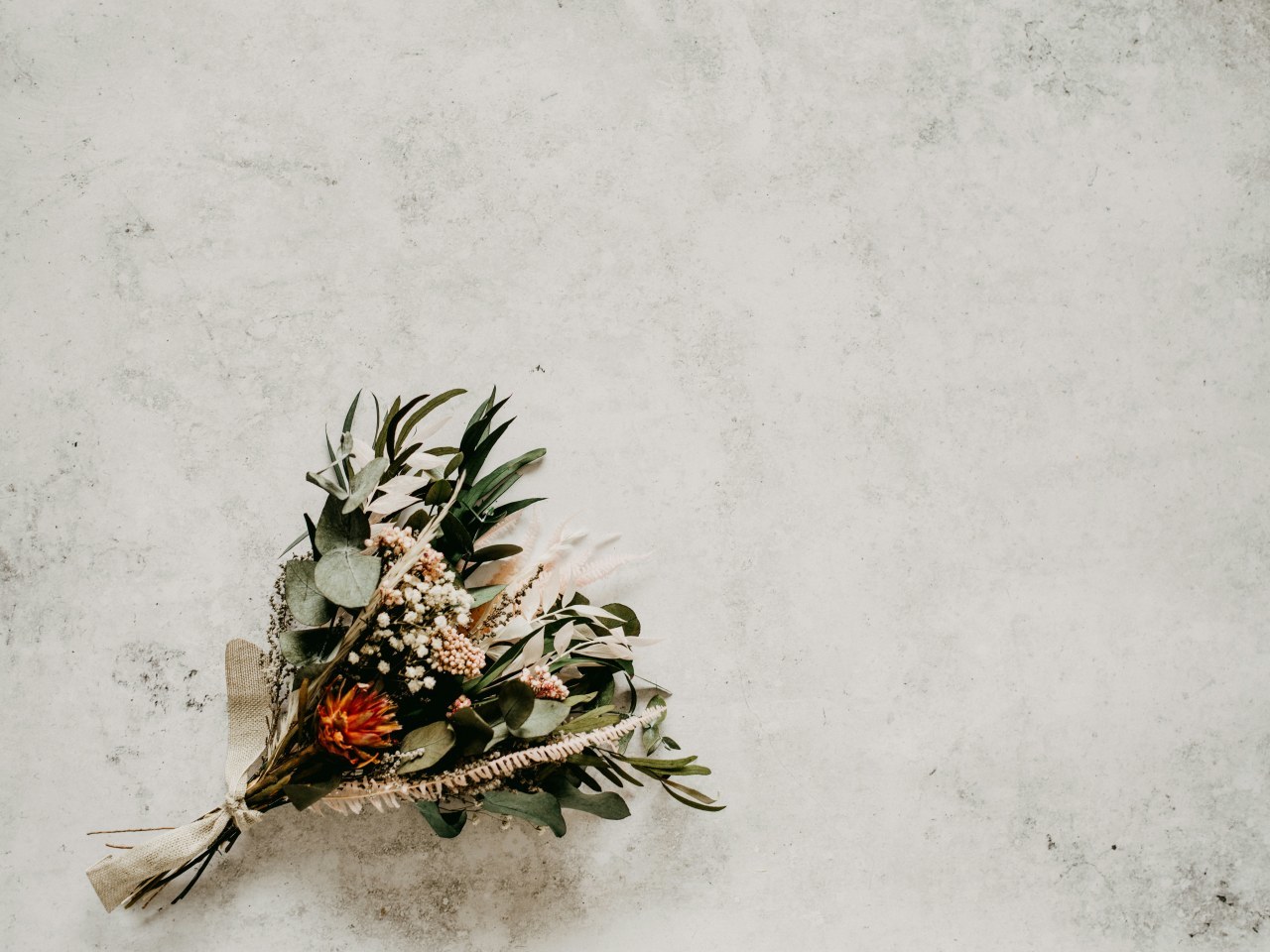
One of the most common points of confusion in flower buying is conflating bouquet size descriptions with actual stem counts. “Small,” “medium,” and “large” are relative terms that mean different things to different florists. More importantly, size categories often mix different flower types — a “large” arrangement might contain 12 roses plus 8 stems of stock, 6 stems of lisianthus, and significant foliage. That’s a large arrangement by volume, but it only contains a dozen actual roses.
This distinction matters if you’re buying roses specifically. A mixed arrangement can be visually impressive without being rose-forward. If you want the specific impact — visual and symbolic — of a large rose count, you need to order by stem count, not by size category.
The comparison that trips people up most often is roses versus mixed flower arrangements. A $120 “large deluxe” arrangement might look more impressive in a photo than a simple dozen-rose arrangement at the same price, because it contains more variety and visual complexity. But they’re doing different things. The dozen roses makes a specific statement. The mixed arrangement makes a different one. Neither is wrong — they just shouldn’t be compared as if they’re equivalent.
Cost Breakdown: What to Expect to Pay
Rose pricing is seasonal, variety-dependent, and florist-dependent. The numbers below reflect what you should expect to pay from a quality local florist in 2026 for well-conditioned roses in a thoughtfully designed arrangement. Grocery store pricing is lower; high-end event florist pricing can be higher.
Standard Hybrid Tea Roses (Per Stem Pricing Reference)
- Single stem: $8–$15
- 6 stems arranged: $40–$65 (includes vessel and design)
- 12 stems arranged: $70–$120
- 24 stems arranged: $140–$220
- 36 stems arranged: $200–$320
- 50 stems arranged: $340–$520
- 100 stems arranged: $700–$1,200
Garden Roses and Premium Varieties (Add 40–80% to Above)
Garden roses cost significantly more than standard hybrid teas at every stem count. A dozen David Austin garden roses from a quality florist runs $130–$200. A 24-stem garden rose arrangement is a $260–$380 purchase. The larger heads and shorter growing season contribute to the premium. For many buyers, the visual payoff justifies the cost difference — six garden roses can outperform twelve hybrid teas in visual density.
Seasonal Pricing Spikes to Know About
Valentine’s Day is the most significant pricing event of the year. Rose prices typically increase 40–80% in the two weeks surrounding February 14th, driven by global demand that exceeds the supply capacity of the major growing regions in Ecuador, Colombia, and Kenya. Mother’s Day in May is the second-largest spike, usually 20–40% above standard pricing.
Ordering in advance — ideally two to three weeks out for Valentine’s Day — locks in pre-surge pricing at many florists and guarantees stem availability. FlowersCNJ advises customers to place holiday orders at least two weeks out; during peak periods their availability fills quickly precisely because they don’t compromise on quality by overstocking with lower-grade product.
Delivery Fees and What They Actually Cover
Delivery fees from quality florists typically range from $12–$25 for same-day or next-day delivery within their service area. That fee covers driver labor, fuel, insurance, and the temperature-controlled handling required to keep roses in good condition during transport. It’s not a margin grab — it’s a real operational cost.
Free delivery offers from some online services are typically subsidized by lower base flower quality, smaller stem counts than advertised, or longer delivery windows that result in roses spending more time in non-optimal conditions. There’s no free lunch in fresh flower delivery.
Common Mistakes When Ordering Rose Bouquets
Most ordering mistakes come from information gaps rather than bad judgment. Here’s what goes wrong most often, and how to avoid it.
Ordering by Price Without Specifying Count or Variety
Telling a florist “I want to spend $100 on roses” without any other guidance gives them maximum discretion — and maximum opportunity to optimize for their margins. Some florists will give you their best work at that price point. Others will use the smallest stems of the least expensive variety to hit the number.
The better approach: specify the stem count, the variety if you have a preference, and let the florist tell you the price for what you actually want. Then decide from there. This gives you accurate information and prevents the disappointment of receiving something that looks nothing like the mental image you had when you placed the order.
Confusing “Long-Stemmed” With “High Quality”
Long stems are often a quality indicator, but they’re not a guarantee of it. A 28-inch stem rose that was poorly conditioned, stored improperly, or cut too early will underperform a 22-inch stem rose that was handled correctly at every stage. Stem length is one metric — it’s not a substitute for inquiring about how the flowers were sourced and conditioned.
Assuming All Red Roses Are Equivalent
Red roses vary enormously by variety. Freedom is the most common commercial red rose — reliable, widely available, and consistently decent. Explorer has a deeper, darker red. Red Intuition has dramatic bi-color striping. Black Baccara is almost burgundy-black in low light. Asking for “red roses” without further specification will get you whatever the florist has most of, which is usually Freedom. That’s fine for most purposes. For a specific visual effect, be specific.
Not Asking About Vase Life
Fresh roses from a quality florist, properly conditioned and cared for, should last 7–12 days in a vase. Garden roses can last 5–8 days; their larger, more open structure makes them slightly less durable than hybrid teas but far more visually dramatic. If a florist can’t give you a meaningful answer about expected vase life, that’s a signal about how they handle their product.
Waiting Until the Last Minute for Complex Orders
Large-count arrangements — 50 stems and above — require advance ordering to execute properly. The florist needs time to source the specific stems, condition them properly, and allocate design time. A 100-rose arrangement that’s ordered the morning of a 2 PM delivery will either arrive with poorly conditioned flowers or won’t happen at all. For anything above three dozen, order at least 48–72 hours in advance. For 100 roses or more, a week’s lead time is reasonable.
Buying From a Mass-Market Online Service for a Special Occasion
Several large online flower delivery platforms operate by taking orders and routing them to local florists who’ve agreed to fulfill at a fixed price point. The problem is that fixed price point leaves the local florist with very little margin for quality product, which means substitutions happen frequently and without clear notice. The arrangement that shows up often bears little resemblance to the photo that was ordered.
For everyday flowers, this is an acceptable trade-off. For a significant occasion — an anniversary, a milestone birthday, a proposal — it’s a risk that’s easily avoided by working directly with a florist who controls their own sourcing and execution. FlowersCNJ handles the full chain: sourcing, conditioning, design, and delivery, which is why what you see in their arrangement photos is consistently what actually arrives at the door.
How FlowersCNJ Approaches Luxury Rose Arrangements
FlowersCNJ has built its reputation in central New Jersey on specificity. They don’t offer vague size categories with stock photos — they offer actual arrangements at actual stem counts, designed by people who have genuine opinions about how flowers should look.
What makes them worth knowing about isn’t a marketing tagline. It’s observable in the details: they use roses with minimum 22-inch stems in their standard arrangements and 26-inch stems in their luxury tiers. Their garden rose offerings include specific variety names, not just the generic “garden rose” label that can mean almost anything. Their foliage selections are chosen to complement specific rose colors rather than applied as a universal greenery background.
Their arrangement mechanics are also worth noting. Large-count orders — 50 stems and above — are built on a structural grid inside the vessel that keeps every stem properly placed throughout the vase life of the arrangement. Stems don’t migrate, blooms don’t collapse into each other. It’s the kind of detail that matters most after the arrangement has been on display for 48 hours, when the structure of the design is tested.
For buyers in central New Jersey looking for a florist who can handle both a daily dozen and a 100-rose anniversary statement with equal competence, FlowersCNJ is the answer to that search. Their team consults on stem count, variety, and occasion fit with a directness that’s genuinely useful — they’ll tell you if your instinct about what you need is off, and they’ll tell you why.
Choosing the Right Count for the Occasion
Matching stem count to occasion is partly about symbolism and partly about pragmatics. Here’s a practical framework:
Romantic Occasions
- First date / early courtship: 3–6 roses. Intentional, not overwhelming.
- Dating anniversary (under 5 years): 12–24 roses. Scale with the importance of the milestone.
- Major anniversary (10, 20, 25 years): Match the year count or go 50–100. At this stage, scale makes the statement.
- Proposal: 12 or 24 roses is the classic. Some prefer a single rose for intimacy. Avoid going large enough that the flowers compete with the ring.
Celebratory Occasions
- Birthday (casual): 12–18 roses. Cheerful and appropriate.
- Milestone birthday (30, 40, 50): Match the milestone number in roses or give a generous round count (50 or 75). The specificity signals intention.
- Graduation: 12–24 roses. The occasion calls for celebration without necessarily implying romance.
- New baby / shower: 6–12 roses in soft colors. Practicality matters here — new parents don’t have time for a high-maintenance arrangement.
Professional and Corporate Occasions
- Client gift: 12–18 roses in professional colors (white, cream, soft yellow). Avoid red, which can be misread.
- Event table centerpieces: Scale based on table diameter. A 36-inch round table typically needs a 16–20 inch arrangement, which means 18–30 stems depending on variety. Rectangular tables need either multiple smaller arrangements or one elongated design.
- Condolences: White roses are traditional. 12–24 stems is appropriate; avoid extremely large counts, which can feel excessive in a grief context.
Working With Your Florist: Getting What You Actually Want
The best outcomes come from clear communication about three things: stem count, variety preferences, and the occasion context. A good florist uses occasion context to inform design decisions — a romantic arrangement and a corporate arrangement with identical stem counts should look different.
Bring reference photos if you have them. Most florists would rather work from a visual reference than try to decode adjectives like “romantic” or “modern.” Be honest about your budget upfront. Florists can often hit a number by adjusting the variety mix or stem count slightly — but only if they know the constraint. Telling a florist your budget after they’ve quoted you creates an awkward negotiation; telling them upfront makes it a collaboration.
For delivery orders, confirm the delivery window and provide accurate recipient information. A name, address, apartment number if applicable, and a phone number for the recipient in case of access issues. Roses left outside in summer heat or winter cold for more than an hour begin to suffer. The logistics of the last hundred feet matter as much as the quality of the flowers.
Caring for Your Rose Bouquet After Delivery
The care instructions that come with quality florist arrangements aren’t boilerplate — they’re genuinely important. Following them correctly can extend vase life by three to five days, which is a meaningful difference on a luxury arrangement.
The First Two Hours
When roses arrive, re-cut the stems at a 45-degree angle under running water before placing them in their vase. Remove any leaves that will sit below the waterline — they decompose quickly and introduce bacteria that shortens vase life. Place the arrangement away from direct sunlight, heating vents, and ripening fruit (which releases ethylene gas that accelerates flower aging).
Daily Maintenance
Change the water every two days. Re-cut stems by half an inch each time you change the water. Keep the arrangement in a cool room overnight if possible — roses in a 65-degree room at night last noticeably longer than roses in a consistently 72-degree space.
When Roses Start to Fade
As individual roses begin to pass their peak, removing them from the arrangement extends the life of the remaining blooms. An arrangement of 24 roses that loses three or four stems over the first few days can remain beautiful for another week if those declining stems are removed promptly and the remaining flowers are redistributed.
Roses that have opened fully but not yet declined can be floated in a shallow bowl of water for a day or two after they’ve passed their vase stage — the effect is beautiful and extends the enjoyment of the flowers significantly.
Frequently Asked Questions
How many roses are in a standard bouquet?
There’s no single industry standard, but the most common retail count is 12 roses (one dozen). This is the default at most florists when a “standard” or unspecified size is ordered. Counts of 6, 18, and 24 are also common, with larger counts (36, 50, 100) available from specialty florists. If you’re ordering and stem count matters to you, always specify it explicitly rather than relying on size descriptors like “medium” or “large.”
What does a dozen roses look like in a vase?
A properly arranged dozen hybrid tea roses in a standard vase typically spans about 10–14 inches across and stands 14–18 inches tall including the vase. The arrangement is full enough to look generous on a nightstand or dining table but not so large that it dominates a smaller space. With garden roses, the same stem count looks 30–50% more voluminous due to the larger bloom size.
Is there a difference between a hand-tied bouquet and a vase arrangement in terms of rose count?
The rose count can be identical, but the visual appearance differs significantly. Hand-tied bouquets spiral the stems and typically present the blooms in a more open, slightly more casual arrangement. Vase arrangements can be shaped more precisely — tight domes, asymmetric garden styles, or structured forms — because the vessel provides support. Hand-tied bouquets are often preferred for presentations and weddings; vase arrangements are better for home display.
How far in advance should I order a large rose bouquet?
For counts of 12–24, same-day or next-day ordering is usually possible at established florists. For 36–50 stems, 48 hours notice is advisable to ensure stem availability and conditioning time. For 75–100 stems and above, a week’s advance notice gives the florist time to source, condition, and design properly. During peak periods (Valentine’s Day, Mother’s Day), add additional lead time — two to three weeks for complex luxury orders.
Are 100 roses worth the cost compared to 50?
Doubling from 50 to 100 roses roughly doubles the cost. Whether it’s “worth it” depends entirely on the occasion and setting. In a home context, 50 well-arranged roses is often more than sufficient — 100 can feel excessive in a standard room. For large venues, milestone events, or occasions where maximum visual impact is the objective, 100 roses makes a statement that 50 cannot. The calculation changes if you’re considering visual scale for photography, events, or presentations where the arrangement will be seen from a distance or needs to fill a large space.