- How Geotextile Fabric Protects Driveways from Premature Failure
- The Consequences of Selecting the Wrong Geotextile Material
- Key Types of Geotextile: Woven vs. Nonwoven
- Installation Best Practices: Building a Stable Gravel Driveway
- Climate, Soil, and Load: Why Kazakhstan’s Conditions Demand Quality Geotextile
- Choosing Long-Lasting Geotextile for Your Road or Driveway
When building or resurfacing a driveway in Kazakhstan, choosing the right base materials is the foundation of durability. Too often, homeowners and contractors focus on the visible top layer, forgetting the critical role of the underlying support. A key component in modern road and driveway construction is geotextile–specifically, the proper selection and placement of geotextile fabric can determine whether your new surface lasts for years or crumbles within a single winter. The expertise delivered by companies like Kraska.kz in providing high-quality geomaterials helps ensure strong performance, and their geomaterials selection can make the difference between a reliable drive and one doomed to costly failure. Understanding the science behind geotextiles and their interaction with Kazakhstan’s challenging climate is essential for anyone investing in a long-lasting driveway.
How Geotextile Fabric Protects Driveways from Premature Failure
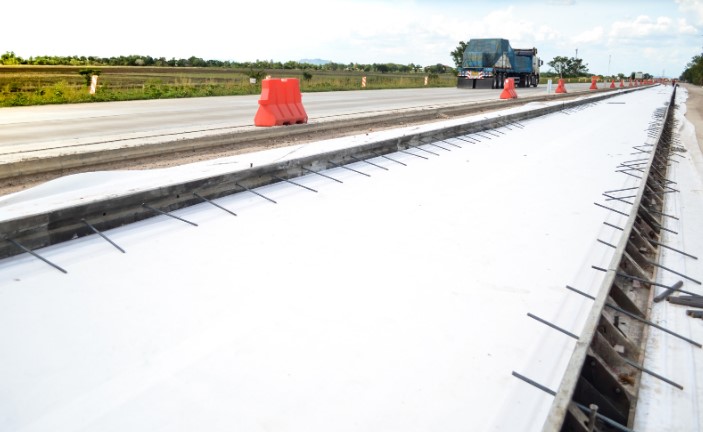
Geotextile fabric for road construction acts as a silent guardian beneath your driveway. Its primary function is to stabilize the soil, separate base layers, distribute loads, and control water movement. In Kazakhstan, where freeze-thaw cycles and seasonal rains can quickly destabilize unprotected surfaces, geotextile fabric driveway installations provide crucial resistance to shifting and rutting.
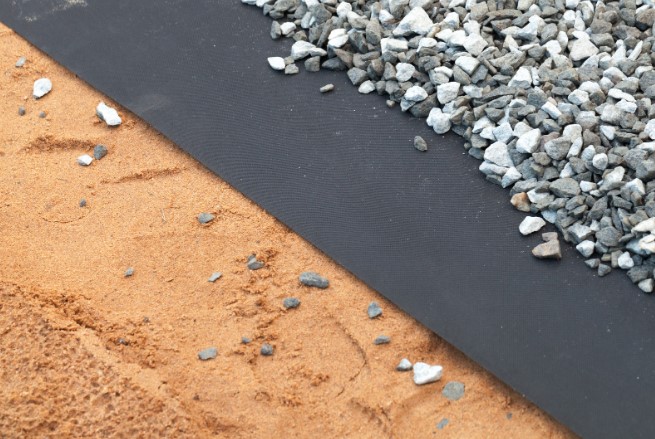
Geotextile fabric under gravel serves as a separator between the subgrade and aggregate layers. Without this barrier, the base stone migrates into the soft soil beneath, decreasing structural integrity and leading to potholes or surface collapse. The correct road fabric geotextile stops this mixing, maintaining a stable and even surface.
There are several types of road fabric, but not all are suited for the harsh climate and varying soils found across Kazakhstan. Nonwoven geotextiles excel in drainage applications, allowing water to pass while filtering out fines that could clog the base. Woven geotextile, however, offers superior strength and is typically recommended as the geotextile for road construction where heavy vehicles or frequent use are expected. The choice of fabric for driveways is not simply a matter of cost, but of engineering: cut corners here, and road fabric under gravel can become the weak link that brings the entire structure down.
A high-quality geotextile driveway fabric extends the life expectancy of your investment by stabilizing the base and minimizing the risk of costly repairs. It is especially vital when using local soils in Kazakhstan, which may be rich in clay or sand, each presenting unique challenges managed effectively with proper geotextile woven fabric selection.
The Consequences of Selecting the Wrong Geotextile Material
Most driveway problems can be traced directly back to improper or inadequate base preparation, particularly the use of substandard or unsuitable geo fabric driveway material. When the incorrect geotextile is used–whether it’s too thin, lacks strength, or is poorly matched to the soil conditions–failure is not a matter of if, but when.
Kraska.kz offers on its website a comprehensive range of road fabric and other construction solutions specifically adapted to Kazakhstan's terrain. Unfortunately, many projects still use generic landscaping fabric or thin road cloth instead of purpose-designed geotextile fabric for gravel driveway installations. Landscaping fabrics, for example, lack the tensile strength required to resist rutting under vehicle loads, especially with heavy trucks or frequent traffic.
Key Types of Geotextile: Woven vs. Nonwoven
- Woven geotextile: Composed of interlaced polypropylene filaments, these fabrics provide high tensile strength and are ideal as geotextile road fabric in demanding applications.
- Nonwoven geotextile: Manufactured by bonding or needle-punching synthetic fibers, these are better suited for filtration and drainage, such as beneath retaining walls or French drains.
Using the wrong type leads to rapid structural degeneration. Soft, poorly stabilized subgrade allows aggregates to mix with soil, and without proper drainage, water pooling undermines the base. The result? Frost heaves, washouts, and a surface riddled with depressions within a year–sometimes even sooner under Kazakhstan’s challenging weather.
Matching the right geotextile gravel driveway product to local conditions requires understanding both the load demands and the specific composition of the underlying soil. Only a geotextile fabric for road that meets these requirements will preserve the integrity of fabric roads in both urban and rural environments.
Installation Best Practices: Building a Stable Gravel Driveway
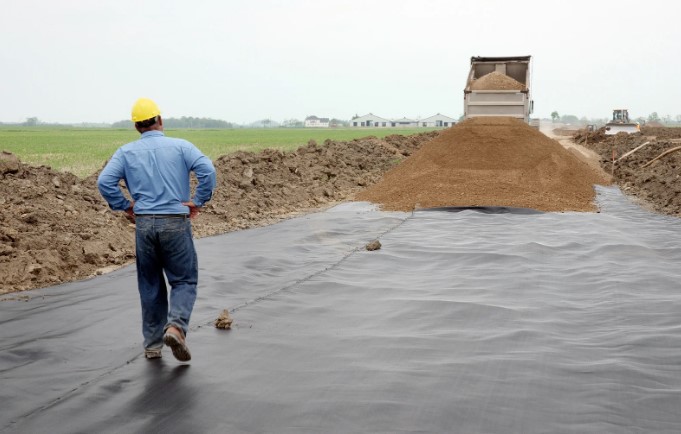
Proper installation is as crucial as material choice. The right geotextile fabric for gravel driveway application, handled with care, will maximize performance and longevity. Companies like Kraska.kz can provide technical recommendations alongside their geo fabric driveway products to support high-quality construction projects.
Kraska.kz emphasizes the importance of following a step-by-step installation protocol including :
- Site Excavation
Remove all organic material and topsoil. Achieving a level, firm subgrade is vital for the geotextile to function effectively. - Placement of Geotextile
Unroll the geotextile fabric driveway layer smoothly, without folds or wrinkles. Overlap adjoining sections by at least 30 cm to prevent soil movement. - Edge Securing
Pin or weight down the edges of the road fabric to prevent shifting during aggregate placement. - Aggregate Spread
Distribute the base stone evenly over the geotextile fabric under gravel, ensuring at least 15-20 cm of coverage before compaction. - Mechanical Compaction
Compact the aggregate in several passes to eliminate voids and achieve maximum stability. - Surface Layer
Add a finer topping layer for improved traction and appearance, or asphalt if paving is desired.
These measures ensure the geotextile woven fabric acts as both a separator and reinforcement, preventing aggregate loss and maintaining the structure’s shape. Proper geotextile driveway installation eliminates common issues like rutting, washboarding, and muddy patches, even after years of use.
Climate, Soil, and Load: Why Kazakhstan’s Conditions Demand Quality Geotextile
Kazakhstan’s terrain is as varied as its climate, presenting unique engineering challenges. From the clay-heavy soils in the north to sandy steppes in the south, the right road fabric for driveways must withstand cycles of freezing and thawing, occasional flooding, and heavy axle loads from vehicles and delivery trucks.
Kraska.kz offers geo solutions to support large and small projects alike. The choice of geotextile fabric for road in Kazakhstan is not merely a technical detail–it is a critical investment in infrastructure longevity. Local climate factors like seasonal moisture and deep frost penetration demand that driveway geotextile fabric resist both compressive and tensile stresses, while also supporting effective drainage.
Inferior or mismatched geotextile materials may seem cost-effective initially but cause rapid deterioration and hefty repair bills within months. Products specifically rated for geotextile gravel driveway stability and certified for regional soil conditions offer peace of mind–and cost savings over the life of the road.
Choosing Long-Lasting Geotextile for Your Road or Driveway
Sustainable, low-maintenance roads and driveways in Kazakhstan are possible only with careful attention to subsurface support. Selecting the correct geotextile fabric for road and applying installation best practices make all the difference. With access to proven, engineering-grade materials through Kraska.kz geotextile for road construction projects can withstand local climatic pressures, ensuring driveways remain safe, level, and attractive for many years. Quality at the foundation pays off every season.